
Beyond the Grant Period: Reflections on JREP
By Cleo Tung, NWHF Programs Manager
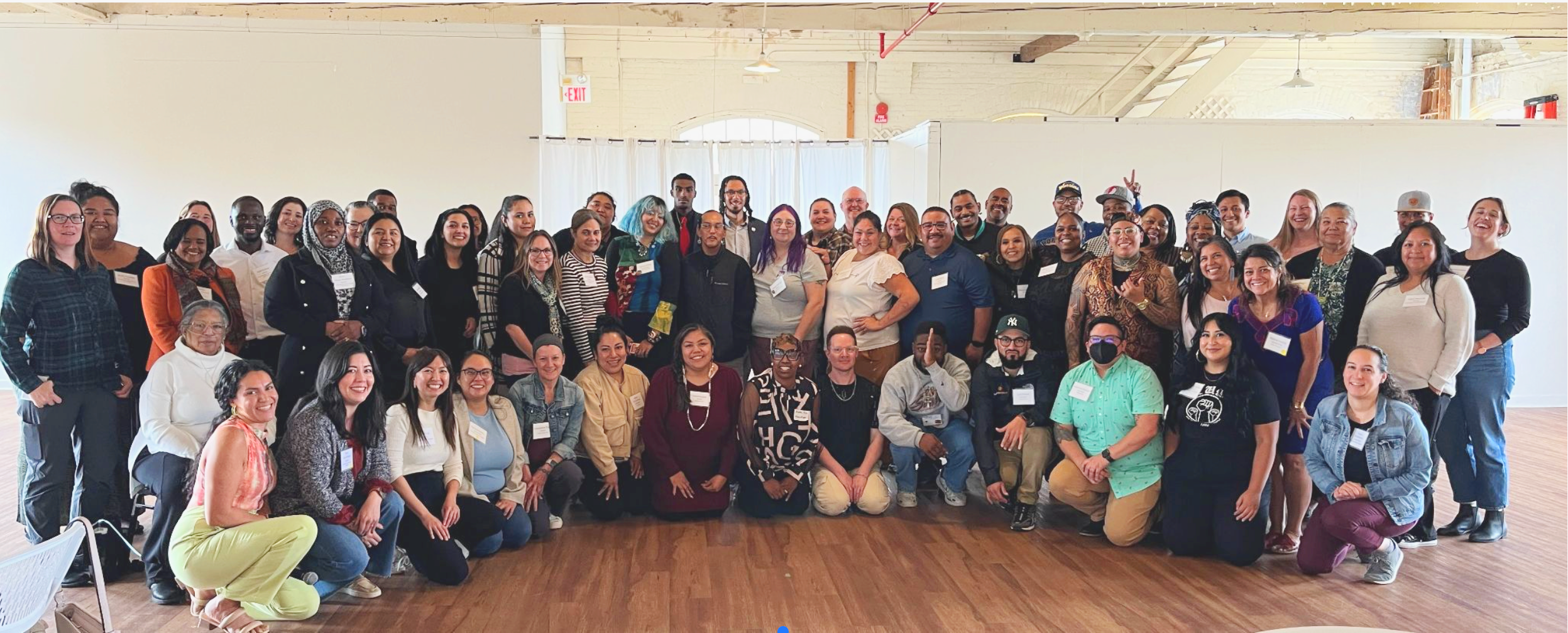
There’s a moment at the end of gatherings that I’ve been thinking about a lot lately.
The stack of half-folded chairs. People lingering in the hallway after the official agenda has ended. Someone packing up leftovers. Kids coloring at the edges of the room while adults finish conversations they didn't have time for earlier. The slow process of saying goodbye when no one is quite ready to leave yet.
Over the past few months, as we’ve begun preparing for the Justice Reinvestment Equity Program (JREP) to wind down, I’ve found myself returning to those moments. Not the polished parts of the work. Not the reports or timelines or grant agreements. The quieter moments that reminded me of what this program was really about: relationships, trust and the possibility of doing things differently together.
In 2022, when JREP was just beginning, I wrote about calling it “my other baby.” At the time, I was a new mom carrying my daughter into meetings and convenings while we worked to shape what this program could become. Back then, everything felt wide open. We were listening closely, asking questions, trying to build something responsive to communities that have long been harmed and overlooked by traditional systems and funding structures.
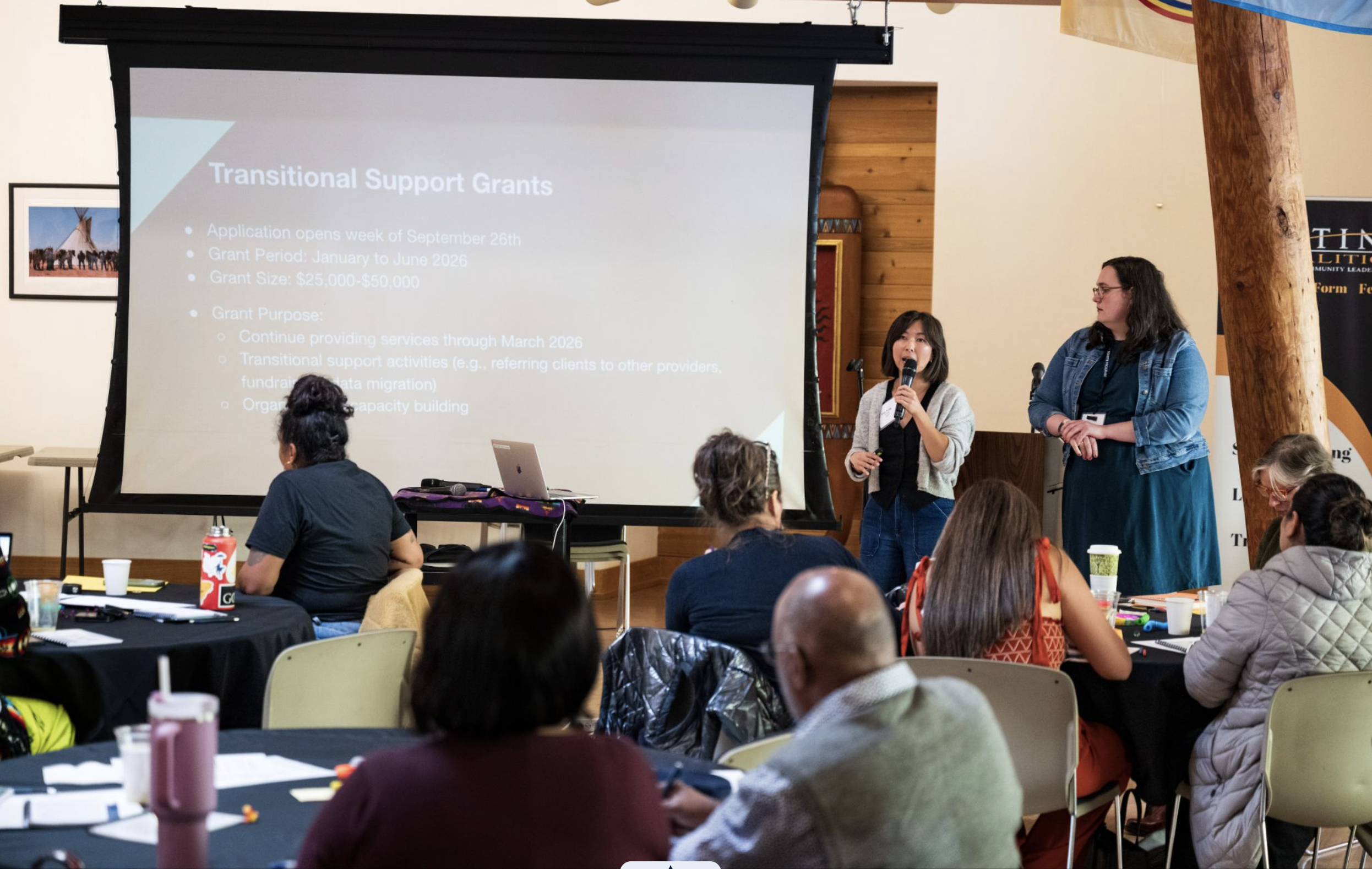
Now, at the end of this chapter, I think less about building something new and more about what it means to care for something while it’s here.
JREP was never just a grants program. It was rooms full of people sharing meals and hard truths; long drives across Oregon for site visits; and conversations about healing, accountability, burnout, safety, culture and survival. Together, we created spaces where people could show up as their whole selves, not just as executive directors, advocates or service providers.
The experience of JREP was full of bright moments like when UTOPIA led participants in making eyelash leis—the room settled into a different rhythm as people worked attentively with their hands and shared their stories—or when The Harbor led folklórico as a healing practice, inviting us to consider culture not as something separate from the work but as part of how communities heal and build power.
Those moments stay with me because they reflected something the cohort taught us over and over again: justice isn't only about what we build. JREP grounded us in the fact that true justice comes through relationships, people choosing time and again to share their knowledge, support one another and imagine something beyond punishment and isolation.
There are even smaller moments I still carry with me—people checking in on each other between gatherings; stories about youth finding belonging; someone reconnecting with their ancestral culture; another person imagining a future they hadn’t allowed themselves to imagine before.
This interconnectedness reminds me of mycelium networks underground where so much of what truly matters is not immediately visible. The nourishment travels beneath the surface through relationships, shared struggle and care. You may not always be able to point to it in a report, but it changes what becomes possible later.
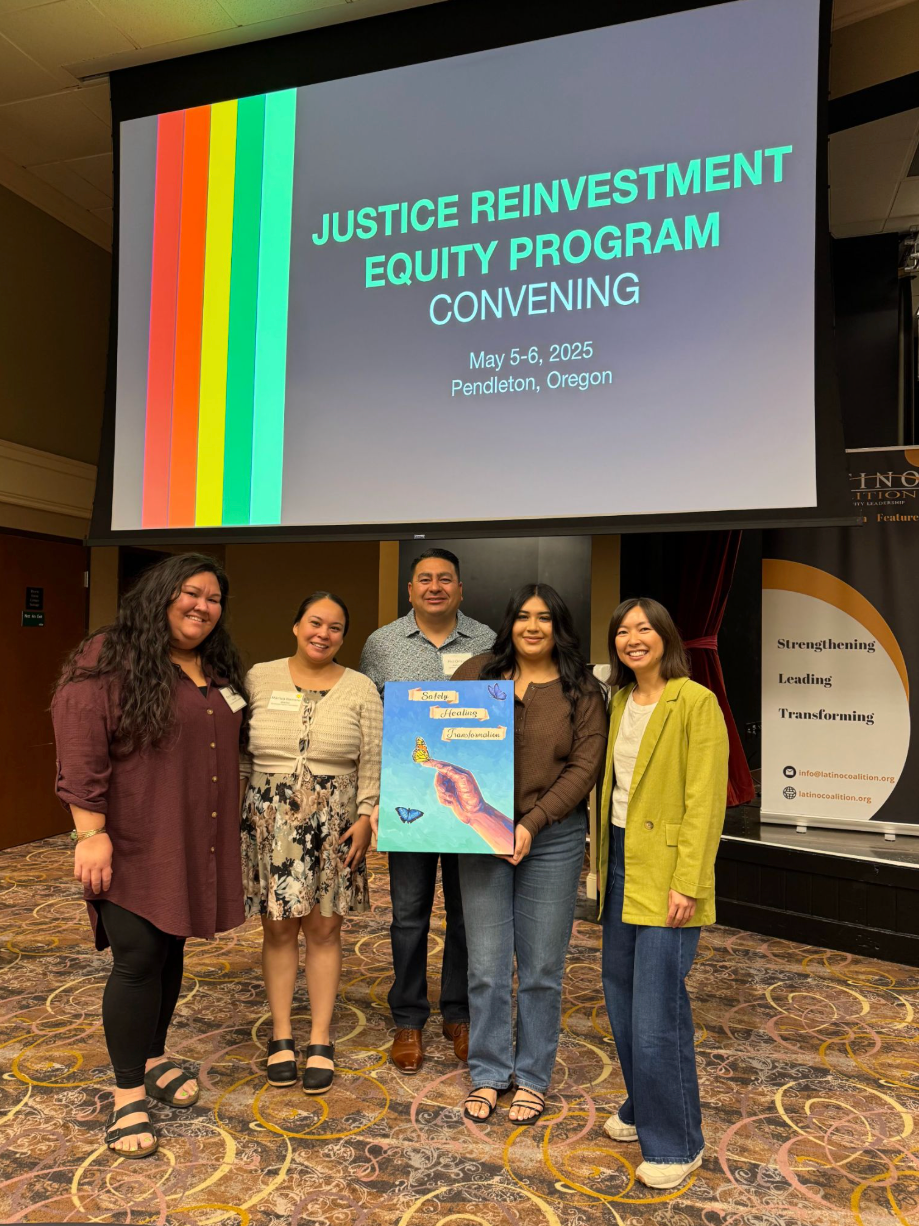
That’s what JREP feels like to me now.
Not something neatly completed but something that strengthened connections that will continue long after this particular funding cycle ends.
There is grief in that. It’s hard to witness the winding down of a program that so many people poured themselves into, especially knowing how urgently these resources are still needed. But alongside that grief is deep gratitude. It's been an honor to witness the brilliance and persistence of organizations across Oregon building safety and healing on their own terms.
When JREP began, my daughter was a baby wrapped to my chest, tagging along in meetings and convenings. Today, she’s old enough to ask questions about where I’m going when I leave for work and why. The program changed over those years, and so did I. Maybe that’s another thing I’m carrying with me from this experience. It’s the reminder that growth is often easier to see in hindsight. One day you look up and realize something has taken root.
As this chapter closes, I don’t think the question is whether the work continues. I know it will because it already does every day in communities across Oregon.
Maybe the question is how we continue to nourish it.
And maybe that’s what endings like this ask of us. Not to tie everything up neatly but to pay attention to what still wants to grow.