
Introducing the Civic Health Electoral Justice Leadership Cohort
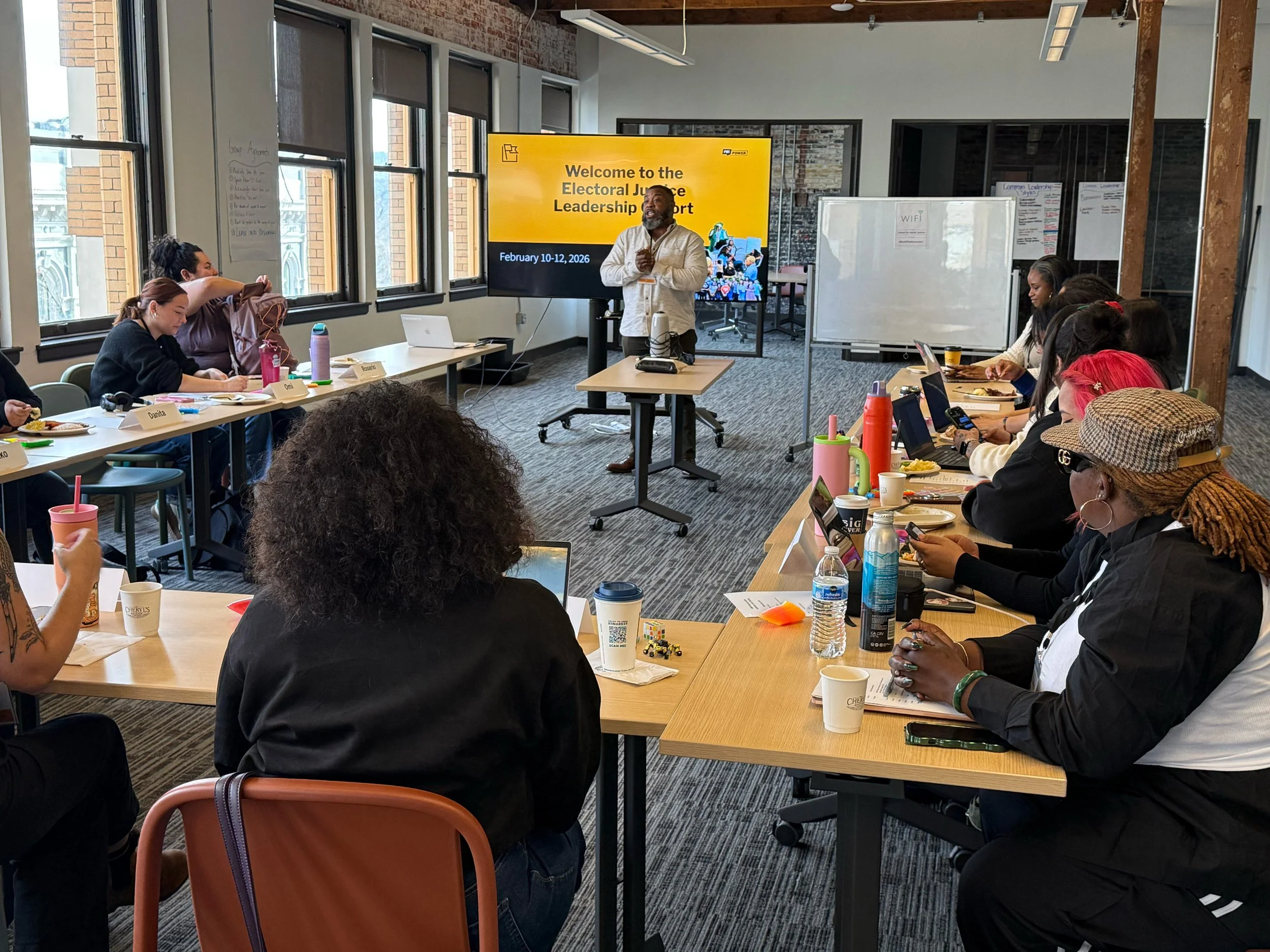
As many movement elders remind us: mobilizing gets people out, but organizing builds power.
That’s why Northwest Health Foundation, in partnership with re:power, recently launched a highly focused and intentionally limited cohort for seasoned 501(c)(4) campaign and field leaders rooted in BIPOC communities. The goal: for leaders to reflect, sharpen strategy and strengthen the infrastructure behind their electoral organizing work.
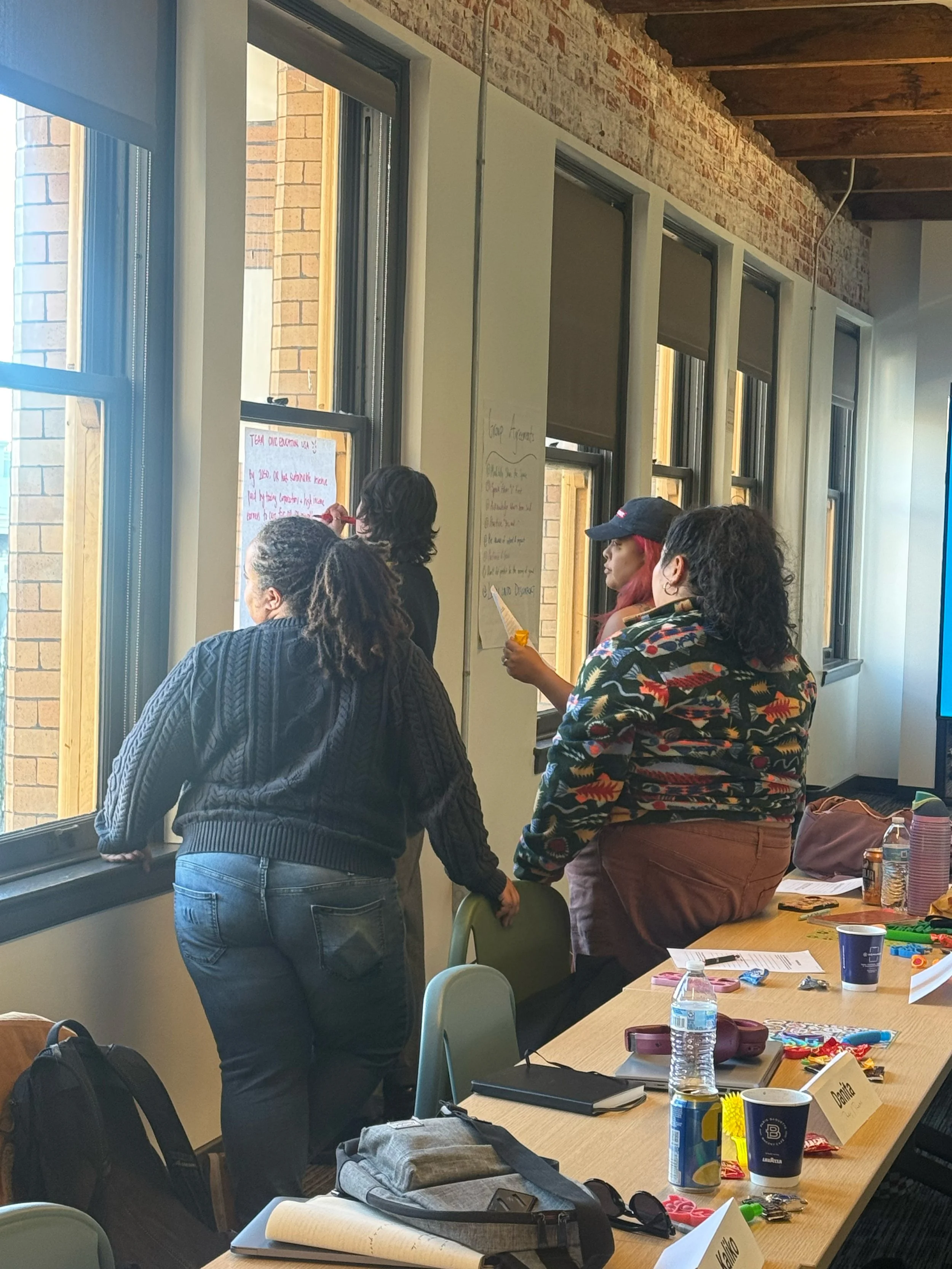
Ultimately, we selected 12 leaders from across the region who will participate in a multi-month program. The program began with a multi-day training in Portland that included conversations on leadership styles and a shared vision for the Pacific Northwest over the next several decades. Future sessions will include “How Organizing is Evolving,” “Generative Conflict & Managing Up and Across,” and “Campaign Shut Down.”
Over the course of several months, through coaching, training and peer learning, participants will:
Deepen political analysis to guide decision-making and infrastructure-building
Refine strategies for aligning electoral work with long-term organizing goals
Strengthen tactical skills like field operations and campaign execution
Strengthen a peer network to support ongoing learning and collaboration
We’ve heard from the field that there’s a strong need for dedicated spaces where electoral organizing leaders can pause, reflect and strategize together. This cohort answers that call. It’s a rare opportunity to step out of the day-to-day and focus on building enduring electoral power in BIPOC communities.
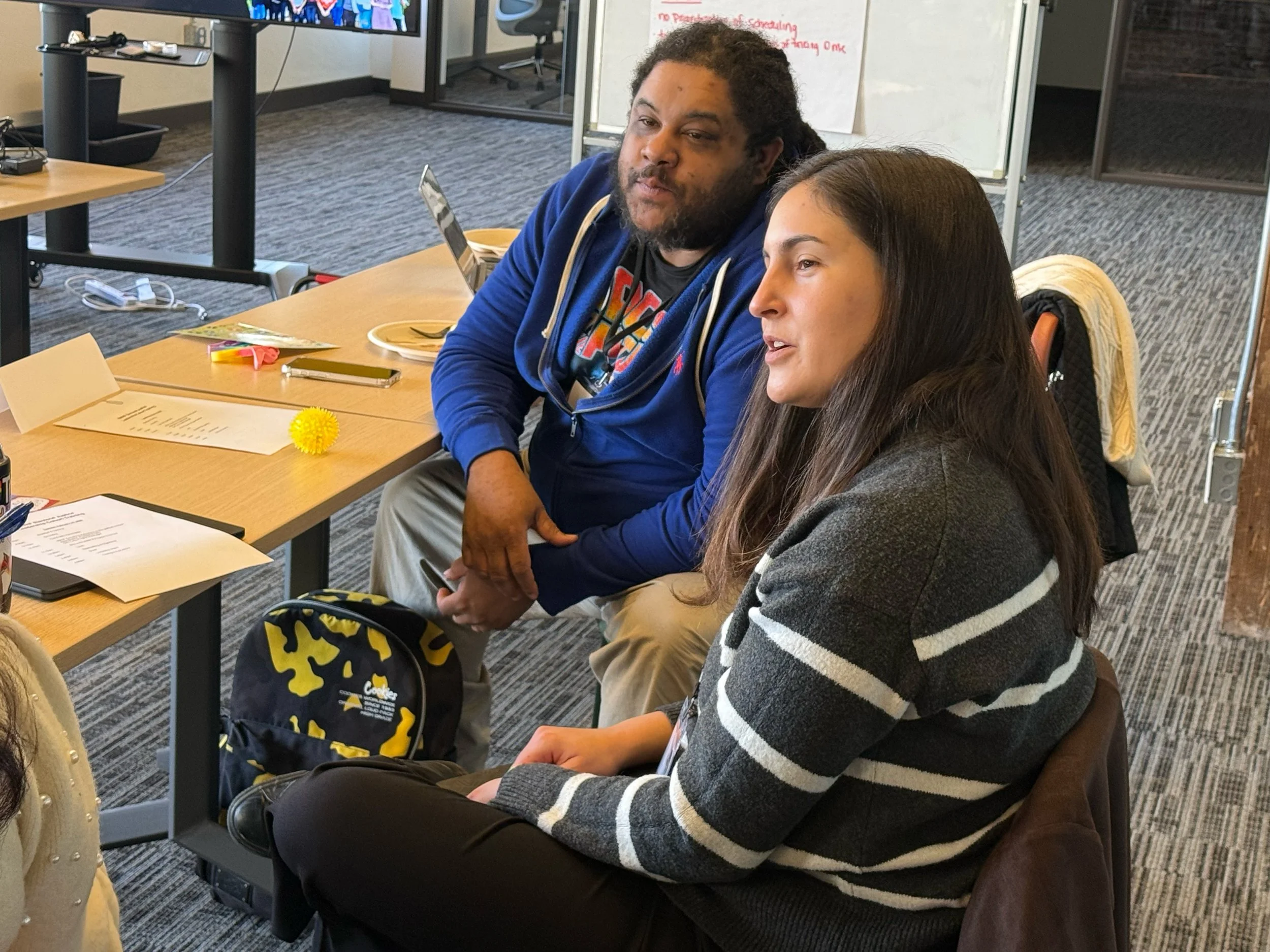
This learning is hands on. Participants will practice skills in real time, refine strategies and test ideas they can apply directly to the 2026 election cycle. Beyond tactical growth, this is a space to strengthen relationships, align campaigns with long-term organizing goals and explore ways to build more enduring power between elections.
The cohort is guided by re:power coaches who are seasoned strategists, organizers and technologists with years of experience leading campaigns and building power for social justice and liberation across the country. A consistent aspect of the training programs NWHF brings to its grantees is coaching; we often hear how much our participants favor this aspect of our programs.
Coaches will challenge, support and sharpen participants’ strategy. They will provide guidance tailored to participants’ campaigns and the unique dynamics of electoral organizing in BIPOC communities.
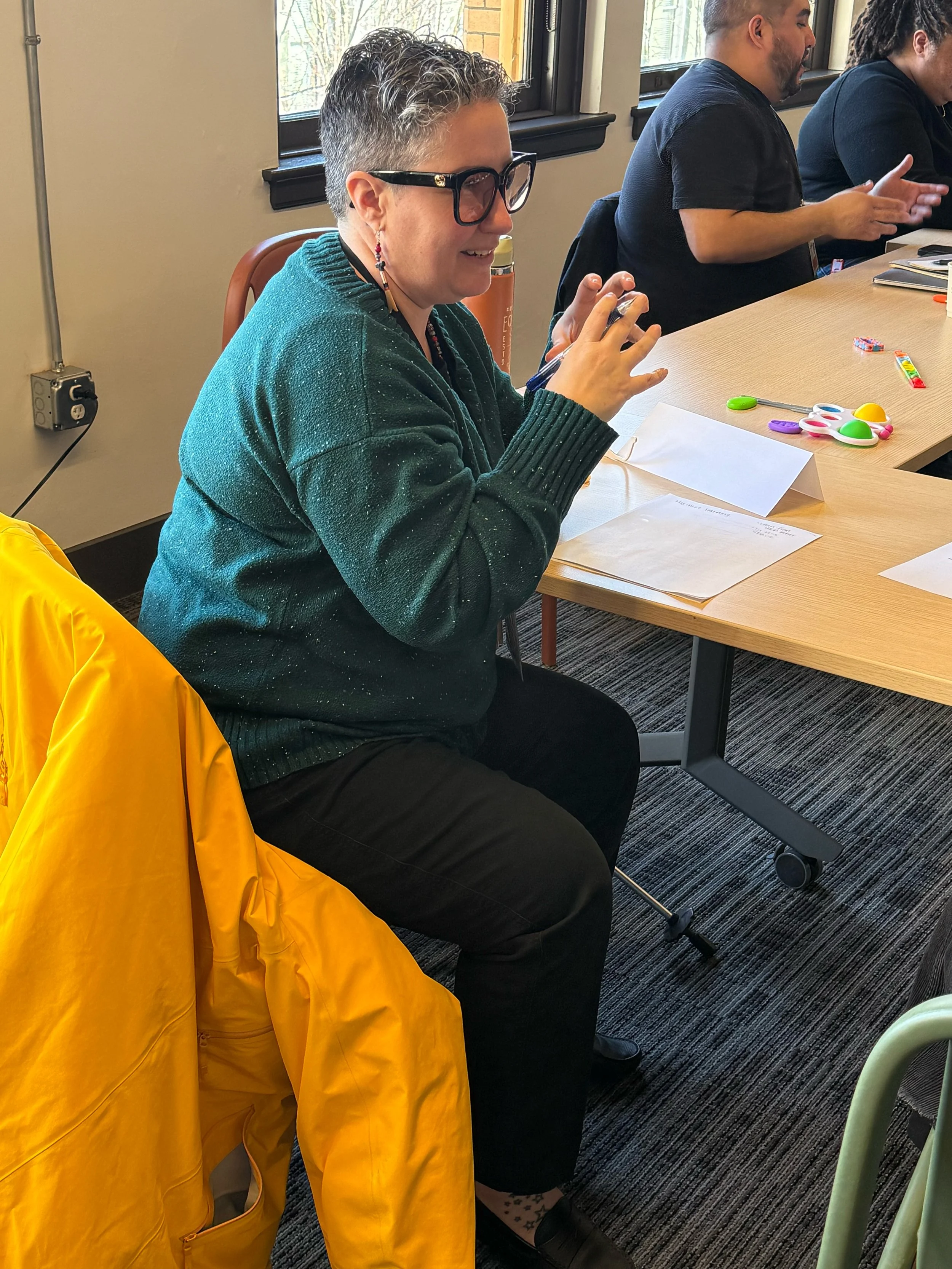
A few highlights of what participants are excited about:
Marchel, Political Director, For All Families:
[I’m] hoping to walk away with some shared infrastructure and a long term vision and plan, looking forward to the next Governor election in 2030. I am also looking to sharpen my current electoral power building plan for this election cycle and try some strategies and tactics out as a cohort.
Lindsey, Statewide Political Organizer, Oregon AFL-CIO:
I've been craving this cohort of field and electoral practitioners for a long time. I'm excited to be in a BIPOC-focused space, reckoning with real problems that we face and strategizing together for the future of electoral work in Oregon. Sometimes the concept of "electoral justice" can feel like a contradiction, so I'm looking forward to breaking that down, especially with the incredible re:Power team.
Devin, Deputy Director, Next Up and Next Up Action Fund:
I am most excited to be challenged with information and guidance for long-term strategy building. I have led our electoral work for the last 4 years and want to sharpen the skills I do have and diversify the skills I don't. I look forward to a chance to pause, reflect, sharpen strategy while learning alongside the partners I have done this work with in various iterations.
Keith, Field and Organizing Director, Imagine Black:
Being in community with so many brilliant organizers, change makers, and facilitators.
Thank you to re:power and our enthusiastic participants. We are excited to see how local electoral justice leaders evolve through this program!