
What JREP Funding Made Possible for Tayas Yawks
Last summer we shared our disappointment in the Oregon legislature's failure to continue funding the Justice Reinvestment Equity Program (JREP) housed at Northwest Health Foundation. This program has been transformational, especially for smaller culturally-specific and culturally-responsive organizations who are often overlooked for state funding.
Advocates are back in Salem again during the short session, sharing powerful stories of JREP’s impact in hopes of securing additional funds. While those efforts continue, as responsible stewards of the program, we also need to prepare for the possibility that additional funding may not come.
Rather than quietly winding down, we’ve chosen to spend the coming months intentionally honoring this work by hearing directly from grantees about what JREP made possible and what’s at stake if the program disappears.
written by Tammy Anderson, Tayas Yawks
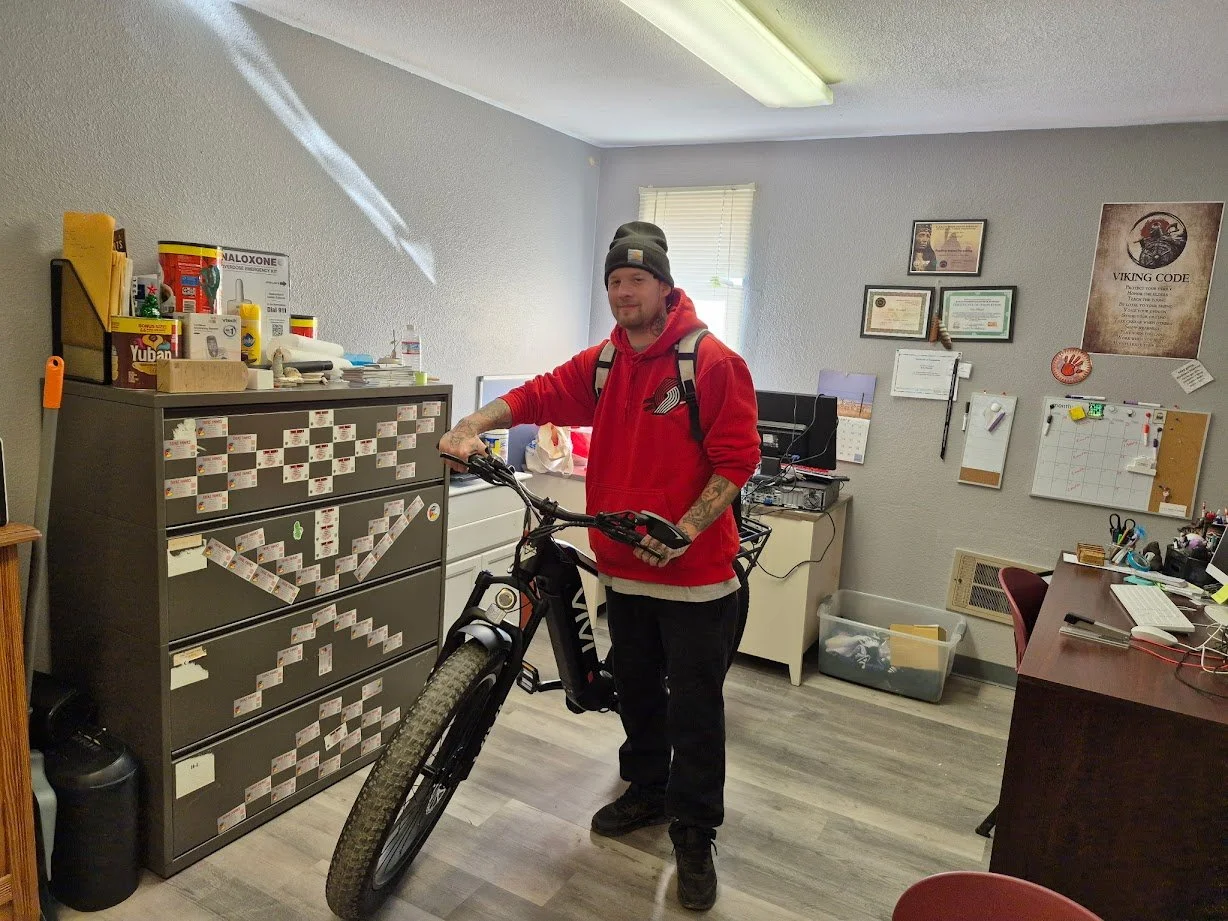
As a direct result of funding from the Justice Reinvestment Equity Program (JREP), Tayas Yawks was able to house several men and support their successful transition back into the community with a sense of stability, employment, and access to critical resources. For individuals who did not have a driver’s license and faced transportation barriers, we were able to provide ebikes to ensure they could reliably get to work. Approximately five men have since transitioned into their own housing with steady employment. Several obtained driver’s licenses and vehicles, two men got married, and another pursued higher education, earning his counseling certificate and becoming a Certified Alcohol and Drug Counselor (CADC).
Over the past two years, our partnership with Northwest Health Foundation has allowed us to respond flexibly and effectively to immediate community needs. This included assisting individuals exiting treatment or incarceration with obtaining vital records, supporting GED completion, and providing essential job-related resources such as firefighting tools, non-slip shoes for restaurant employment, and transportation assistance. These supports addressed real barriers to stability and helped individuals maintain employment and progress toward self-sufficiency.
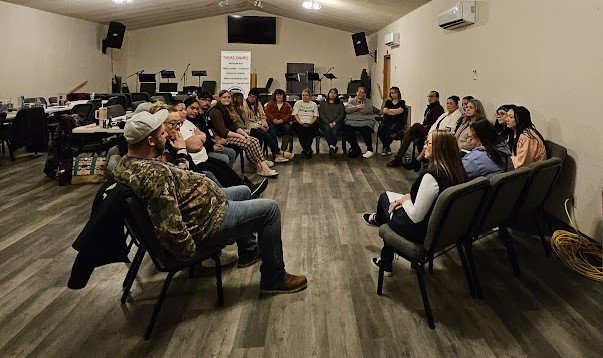
The Northwest Health Foundation convenings were particularly impactful for our organization. They provided meaningful opportunities to connect with peer organizations across Oregon, learn about innovative approaches to community-based care, and understand how others are addressing similar challenges. These gatherings strengthened our network, expanded our knowledge, and informed the development of services we are now working to implement locally.
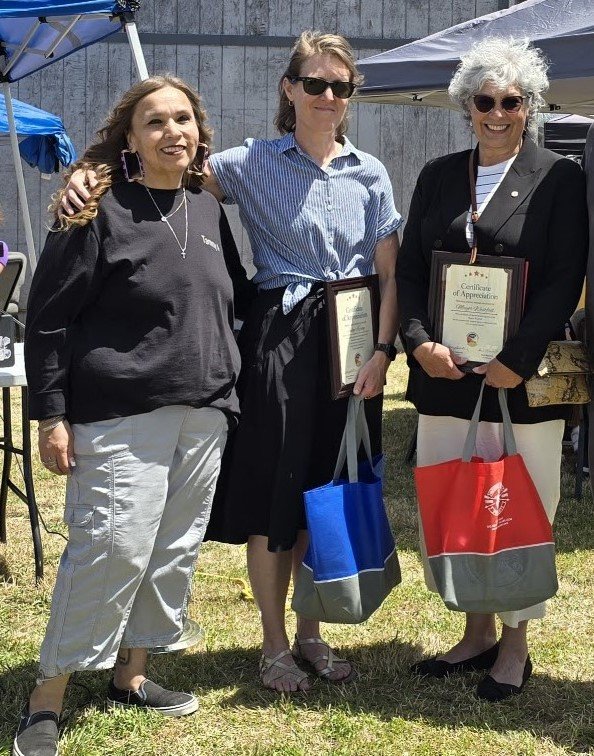
Throughout this funding period, Tayas Yawks experienced significant organizational growth. Our visibility and credibility within the community increased, and we are now frequently referenced in spaces where we previously were not known. As a young organization—established in August 2021—and having acquired our first transitional house at the same time we received funding from JREP, much of our work during this period was new. The Foundation’s support allowed us the space to learn, adapt, and grow alongside our clients while building sustainable systems of care.
Looking ahead, our next priorities include securing funding to open a women’s transitional house and submitting our application for a Certificate of Approval (COA) through the State of Oregon to become a licensed Mental Health Facility. These steps represent our commitment to expanding access to culturally responsive, community-based behavioral health services.
One story that reflects the impact of JREP’s investment is that of a gentleman who entered our house directly from treatment. With support from our peer staff, he completed school enrollment paperwork and began attending classes while maintaining his sobriety. During this time, he rebuilt a relationship with his partner, and they later married. He successfully transitioned out of the house, completed his education, fulfilled the required hours to become a CADC I, graduated, became a father, and is now employed at a counseling program supporting others on their recovery journeys. This outcome reflects the long-term, community-wide impact made possible through JREP’s support.