
Stronger Together: a reflection on NWHF’s Electoral Justice Leadership Cohort
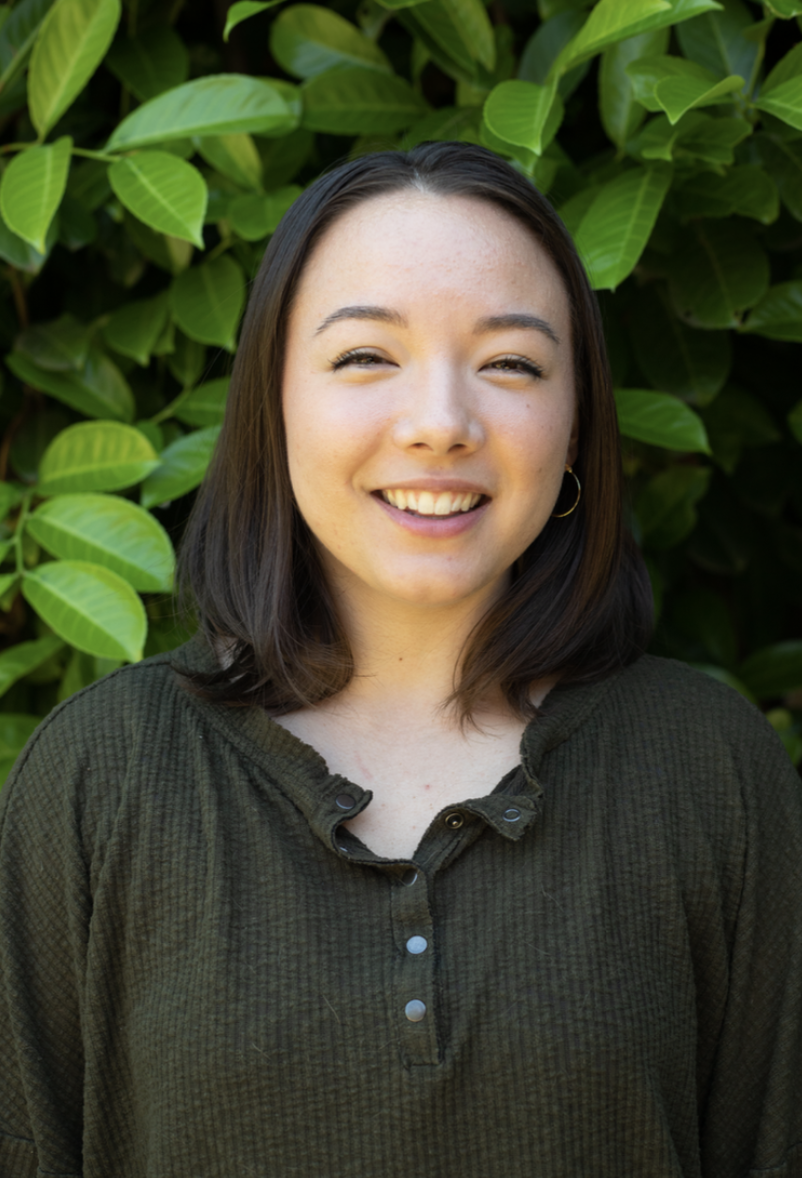
Omi S, Political Director Oregon Futures Lab
We introduced you to our Electoral Justice Leadership Cohort in February and now want to follow up with one of the participants post-program, Omi S, Political Director Oregon Futures Lab. We sat down with her and had a great conversation about her experience in the program:
NWHF: What did you enjoy about this program?
Omi: It was really great to have shared definitions and shared language. Over my career, I’ve learned a lot of tactics; what was powerful about this training specifically was the conversations about power and power analysis - and the strategy centering that; instead of just jumping into tactics.
NWHF: Tell us about the facilitators?
Omi: The facilitators were amazing - incredible amount of experience and can provide real-world examples of how these lessons show up in campaign work. It’s easy to go through a slide deck but to learn from someone who has been there was incredibly helpful.
NWHF: Did anything result from building deeper relationships with peers across the region?
Omi: I remember at one point having a conversation with a peer about our endorsement process and OFL’s priorities. It was nice to have the opportunity to share more about our work - it stands out because I don't think it would have happened without the cohort. We were able to provide clarity about each other's work and increased comfort and understanding.
NWHF: In your role as an electoral justice leader - what is a common question you get from folks new to this type of work?
Omi: Lots!
How do you maintain hope when there are so many different issues - so many are critical to life and safety; so many horrific threats.
A desire to connect with people you disagree with? Disagree on the issue, but don’t want to lose the connection and relationship with the person. How do you bridge the gap?
How do you persuade people to your side?
The difference between values, strategy and tactics. When I first started organizing - it was only tactics: everything was a protest. None of that was strategic and none of that got us to our goals.
NWHF: Anything you would hope we keep in mind if we do something similar again? If we were to offer a part 2 what content and subject areas would you hope for?
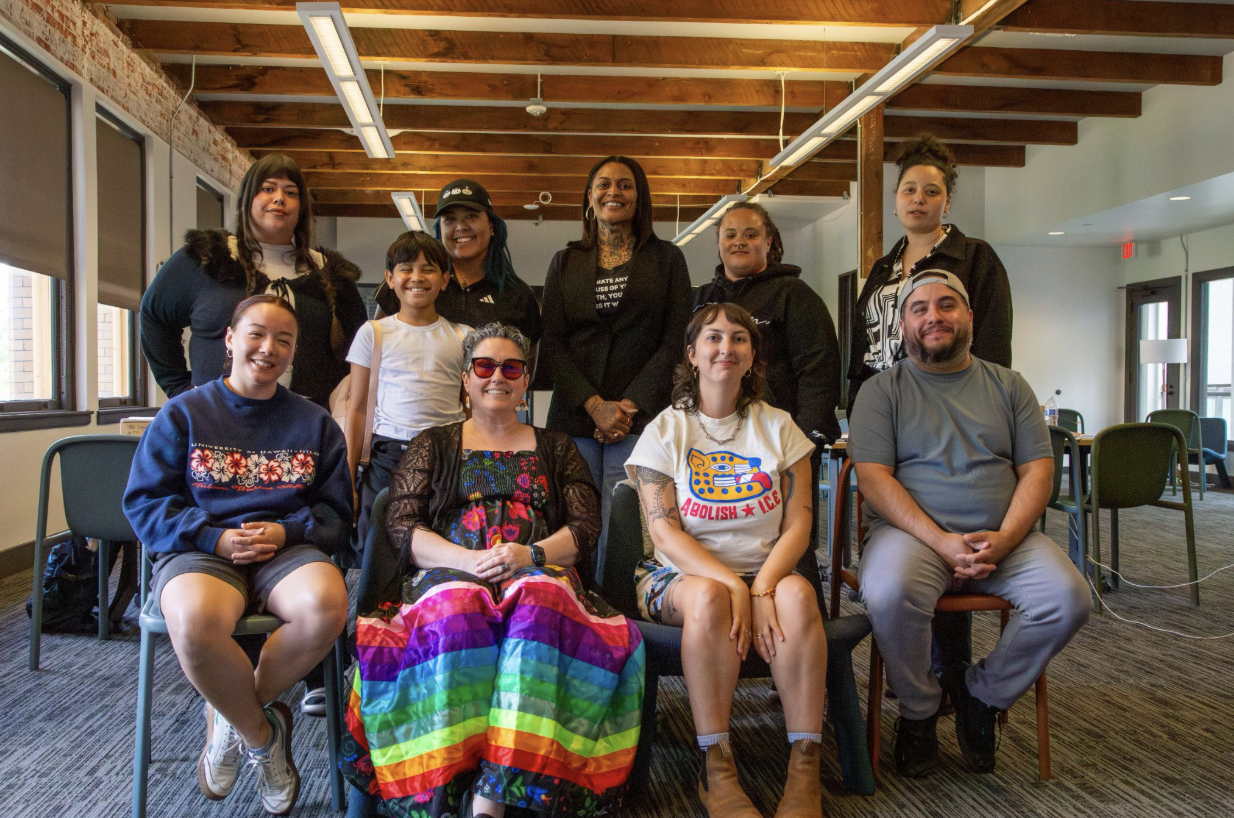
Cohort members at last training day
Omi: Something Prenstiss Haney at Movement Politics Accelerator had said in the SILP conversations: trust is built, over time in shared moments. Some of the big conversations we need to have about values and generative conflict we can’t have because there is no trust. Trust building IS THE MOST IMPORTANT THING if we want to reach our year goals. Less about training and curriculum and more about forcing people to do work together. We have to do work where we have to rely on each other. Force people to be interdependent, there has to be an opportunity for people to work together and depend on each other. It’s chicken and egg.
NWHF: Anything else you would like to share?
Omi: It was really valuable that the trainers from re:power were not from Oregon nor part of our eco system. It was enough space and separateness from the Oregon dynamics where they could give outside perspective and we felt more comfortable sharing. The trainers did a really good job of pushing back on some of what was said by us, the participants. It was clear their priority was learning, not about keeping the peace. I really valued that. The trainers lovingly corrected us, it was super valuable.